Introduction
Navigating the world of personal injury law can be daunting, especially when it comes to understanding premises liability cases. These cases play a critical role in protecting individuals who suffer injuries due to unsafe conditions on someone else's property. This article aims to explore the different types of premises liability claims, addressing how property owner negligence can lead to serious injuries. By dissecting these cases—ranging from slip and fall compensation to public place injury claims—we hope to equip you with the knowledge you need.
Understanding the Different Types of Premises Liability Cases
Premises liability cases arise when an individual is injured on someone else's property due to hazardous conditions. The core principle behind these claims is that property owners have a legal duty to maintain their premises in a safe condition for visitors. When they fail in this duty—whether through negligence, lack of maintenance, or other dangerous circumstances—they may be held liable for any resulting injuries.

What Constitutes Premises Liability?
Premises liability encompasses various scenarios where individuals sustain injuries while on a property owned by another party. These injuries could stem from:
- Slip and fall accidents Poorly maintained sidewalks Inadequate security measures Animal attacks on commercial properties Unmarked hazards like wet floors or broken stairs
In essence, if a visitor suffers an injury that could have been avoided had the property owner taken reasonable care, there’s a strong premise for pursuing compensation.
Common Types of Premises Liability Claims
1. Slip and Fall Cases
Slip and fall accidents are among the most prevalent types of premises liability claims. These incidents often occur in locations such as grocery stores, restaurants, and other commercial establishments where spills or clutter create hazardous conditions.
Why Do Slip and Fall Accidents Happen?
These accidents typically result from:
- Wet or slippery floors Uneven surfaces Poor lighting Lack of proper signage indicating hazards
Victims can seek slip and fall compensation when they can prove that property owner negligence contributed to their accident.
2. Trip and Fall Incidents
While similar to slip and fall cases, trip and fall incidents usually involve uneven surfaces or obstacles that cause individuals to lose their balance and fall.
Key Factors Leading to Trip and Fall Accidents
Some common culprits include:
- Cracks in pavement or sidewalks Loose rugs or mats inside buildings Cables running across walkways
Just like slip and fall cases, proving negligence is essential for securing compensation in trip and fall lawsuits.
3. Dog Bites and Animal Attacks
When it comes to premises liability, dog bites represent another significant category of claims. Property owners must ensure that their pets do not pose a threat to visitors; failure to do so can result in serious injuries.
What Should Victims Know About Dog Bite Claims?
In many jurisdictions, state laws impose strict liability on dog owners if their pet injures someone without provocation. Thus, victims may successfully pursue compensation even without demonstrating negligence.
4. Inadequate Security Claims
Property owners also have a responsibility to provide adequate security measures for their guests. If inadequate security leads to crimes such as robbery or assault on their property, victims may file claims under premises liability.
Examples of Security Negligence
Victims might cite factors such as:
- Poor lighting in parking lots Broken locks on doors Lack of surveillance cameras
If these deficiencies contribute directly to an incident, victims may hold the property owner liable.
5. Swimming Pool Accidents
Swimming pool accidents often result in severe injuries or fatalities; thus, they constitute a critical area within premises liability law. Property owners must adhere strictly to safety regulations regarding pool maintenance and supervision.
Common Issues Leading to Pool Accidents
These may include:
- Lack of lifeguards at public pools Defective pool equipment Unsecured gates leading into pools
Failure to maintain safety standards can lead directly to serious legal ramifications for property owners.
6. Elevator and Escalator Malfunctions
Elevators and escalators are ubiquitous features in commercial properties but can also be sources of significant danger if not properly maintained.
What Are Common Causes of Malfunction?
Common causes include:
- Mechanical failure due to neglect Insufficient safety inspections
When such malfunctions cause injury, victims may have grounds for premises liability claims against the property owner.
Navigating Premises Liability Claims: Key Considerations
Understanding the types of premises liability cases is just one part of navigating these complex legal waters; several key considerations come into play when pursuing claims for compensation.
The Role of Property Owner Negligence
The foundation of any successful premises liability claim lies in establishing that negligence occurred on behalf of the property owner. But what does this really mean?
Defining Negligence in Premises Liability Cases
Negligence refers specifically to failing in one's duty of care toward others—in this case, visitors who expect a safe environment while on someone else's property. To demonstrate negligence effectively:
Establish that the defendant owned or controlled the property. Show that there was a hazardous condition present. Prove that the defendant knew about—or should have known about—the hazard. Demonstrate that this negligence directly caused your injury.Each component plays an integral role in building your case for compensation.
Proving Your Case: Evidence Collection
Success hinges significantly on robust evidence collection following an accident:
What Evidence Should You Gather?
Photographic evidence showing hazardous conditions at the scene. Medical records documenting your injuries. Witness statements corroborating your account. Maintenance records indicating whether or not issues had been reported previously.Having comprehensive evidence strengthens your claim considerably!
Time Limits: Statute of Limitations
A crucial aspect often overlooked by accident victims is time limits associated with filing premises liability claims—known as statutes of limitations—which vary by jurisdiction but generally range between one to six years post-injury occurrence depending on local laws!
Consequences of Missing Deadlines
Failing to file within this timeframe could permanently bar you from seeking compensation! Therefore it's essential always consult with legal professionals promptly after encountering an incident involving potential premises liability issues—and never delay action unnecessarily!
Potential Damages You May Be Entitled To Receive
Once you've established grounds for pursuing a claim based on evidence presenting clear-cut instances demonstrating negligent behavior leading directly towards injury incurred—what damages might you seek?
Types Of Damages Available In Premises Liability Cases
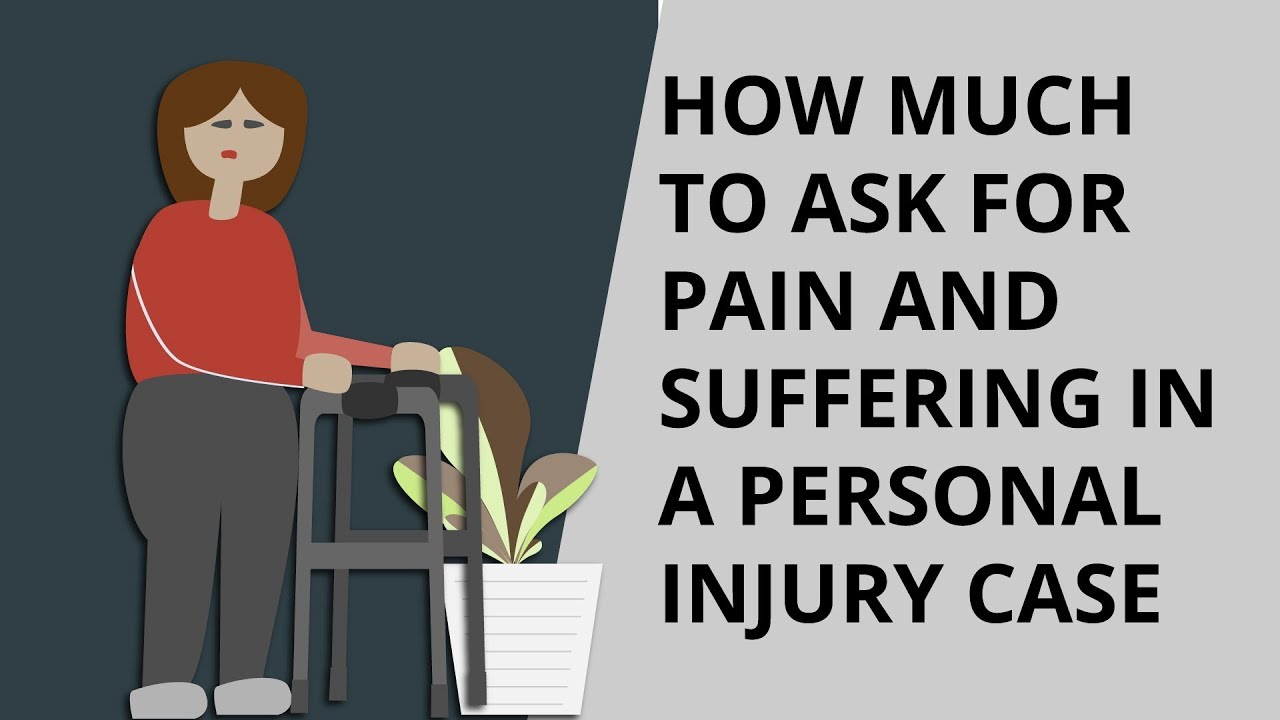
Medical expenses (past & future) Lost wages from missed workdays Pain & suffering (emotional distress) Losses related specifically surrounding diminished quality-of-life due long-lasting effects sustainedUnderstanding these potential damages aids greatly when determining how much compensation you should consider requesting!
FAQs About Premises Liability Cases
Q1: What should I do immediately after suffering an injury on someone else's property?
A1: First things first—seek medical attention right away! Document everything about your experience afterward (photos/videos), including witness information before leaving unless emergency services intervene first!
Q2: How long do I have after my accident before I must file my claim?
A2: Statutes vary widely by state/jurisdiction but typically range from 1–6 years depending upon where exactly you live! Consult local laws early-on so you remain informed throughout proceedings!
Q3: Can I still receive compensation if I was partially at fault during my accident?
A3: Yes! Many states employ comparative fault systems allowing plaintiffs’ recoveries reduced proportionally according assigned blame ratio—so even partial culpability doesn’t necessarily preclude receiving financial restitution altogether!
Q4: Are all slips/falls eligible for compensation under premises liability law?
A4: Not necessarily—the victim must establish proof showing negligent actions contributed meaningfully towards causing incident otherwise courts may dismiss suits entirely!
Q5: What is meant by "duty-of-care" regarding property owners' responsibilities?
A5: Duty-of-care refers explicitly towards obligations owed by those controlling/owning properties ensuring reasonable safety measures enacted proactively preventing foreseeable risks harming visitors accessing spaces regularly used/publicly available areas alike!
Q6: How will insurance companies handle my claim?
A6: Typically they’ll investigate thoroughly considering all available evidence before making settlement offers which might reflect less than what’s fair value ultimately settled upon—hence why consulting experienced attorneys crucially assists negotiating more favorable outcomes overall!
Conclusion
Understanding the different types of premises liability cases equips both victims and advocates alike with essential insights necessary navigating potentially treacherous waters ahead! From identifying specific instances resulting from slips/falls through analyzing responsible parties’ level negligence witnessed firsthand—it’s clear how crucial maintaining awareness remains throughout every step taken following unfortunate events transpiring unexpectedly—and https://storage.googleapis.com/millertriallaw/personal-injury-ian-miller.html knowing rights afforded under applicable legislation ensure timely pursuits aimed at obtaining fair recompense deservedly sought out thereafter too!
By leveraging knowledge surrounding various claim types alongside grasping processes involved—including gathering admissible evidence supporting assertions made—you stand better positioned overcoming challenges encountered while holding negligent parties accountable ultimately recovering losses incurred along way throughout journey traveled onwards eventually finding resolution needed restoring peace-of-mind once lost amidst turmoil faced initially preceding heartache endured subsequently eventually finding closure within situation finally resolved satisfactorily thereafter too!